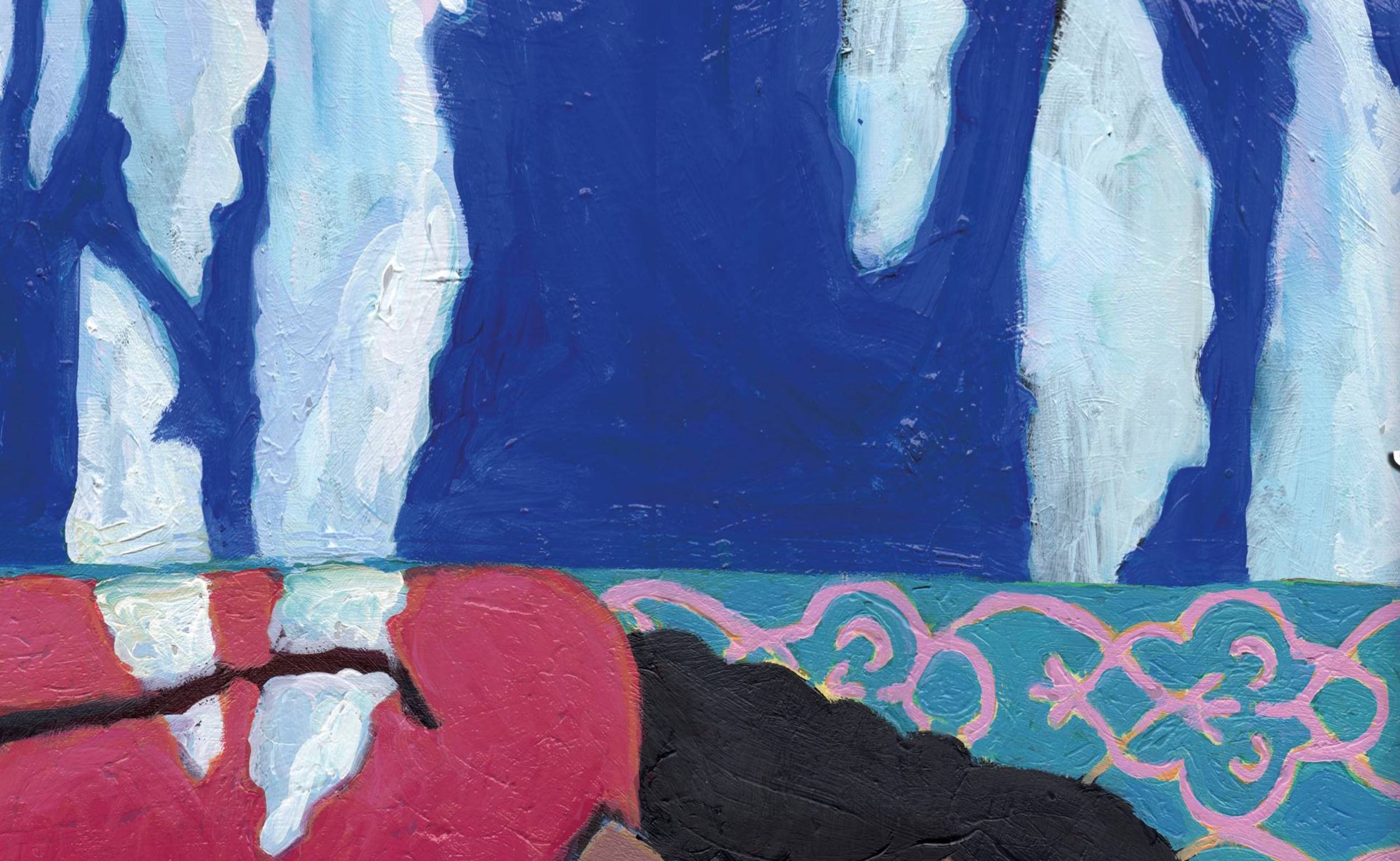
Tremors
Reviews
Harvard Review
“This anthology gives us access to a world that has been largely invisible to Americans, but, more than that, it opens up to us an extraordinary range of voices and talents and makes it clear that as Iranian and American culture come to terms with, and begin to understand, one another, an exciting, high-quality literature is being born.”
Read full review at Harvard Review Online
Publisher’s Weekly
“Amirrezvani and Karim present a diverse view of the Iranian-American experience through the stories of 27 authors from a variety of backgrounds in this new anthology. Stories set in Iran reflect the nation’s struggles with revolution, protests, and human rights issues, while tales of Iranian immigrants in America depict the challenges of assimilation and generational clashes between traditional and modern values. In Mehdi Tavana Okasi’s “Other Mothers, Other Sons,” a newly immigrated Iranian woman clings to another Iranian family in the neighborhood despite her concerns about their intentions “as if nostalgia for their shared homeland would curb the vices of human nature.” A husband in Porochista Khakpour’s “In the House of Desire, Honey, Marble, and Dreams” forbids his wife from leaving the house in Western clothes, leaving their young daughters confused about their new role as Americans. Back in Iran, Farnoosh Moshiri’s “White Torture” portrays a woman whose child was taken away in the 1979 revolution. During recent riots over corruption, she writes incendiary slogans on paper money, landing her in a brutal Iranian prison. Despite their unique circumstances, the characters of each story demonstrate great resilience and pride in the face of their political and cultural challenges.”
Read full review at Publisher’s Weekly
jadaliyya.com
The latest anthology of Iranian American literature shakes off the burden of expectations—those of trade presses and readers—much as its title suggests. Tremors: New Fiction by Iranian American Writers, published by an academic press, was not intended to be a profit-making endeavor. It is neither saddled with a mandate to create positive images of Iranians for the West nor does it rehash familiar narratives of repression and escape. Instead, we find an array of aesthetic styles, storytelling strategies, and memorable characters, a collection concerned as much with the craft of writing as with the desire to say something, many things in fact, about Iran.
Read full review at Jadaliyya.com